
The West Indian Legacy Blog
Latest Articles
Feb 25, 2026
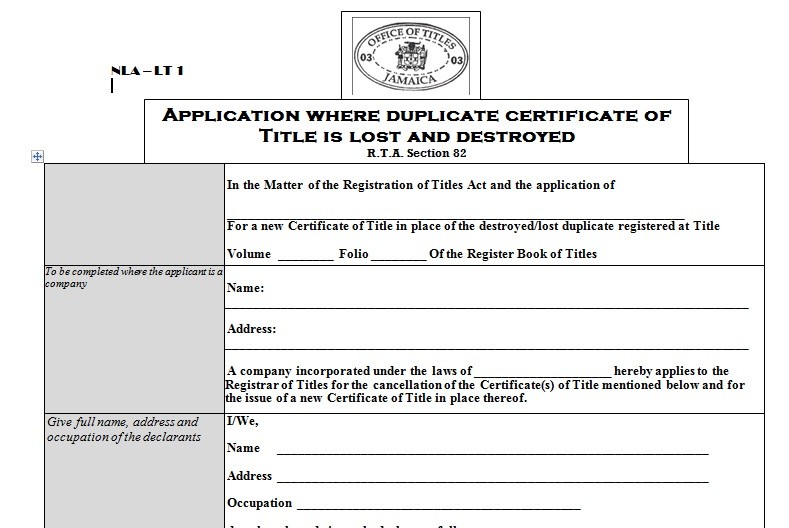
LOST TITLE APPLICATION
You’ve lost your Certificate of Title, now what? If your Certificate of Title is lost, stolen or destroyed you may make an application to the National Land Agency (NLA) for a replacement title. The Registrar of Titles will then review the application and if satisfied, issue a new Duplicate Certificate of Title.
So, who can apply?
The following persons are eligible to lodge a lost Title application:
The registered owner of the property (all owners must be party to the application, and an owner can authorise another to act on their behalf by power of Attorney);
The Personal Representative of the deceased owner (acting under the power of a Grant of Probate or letters of administration);
The legally authorized representative of a company (example: Director); and
A mortgagee (Lender: for example a bank) exercising the power of sale under a mortgage
Now that you know who can apply, let’s look at the process
To get started you ought to complete the relevant NLA form which must be submitted with a Statutory Declaration, clearly explaining all the circumstances which gave rise to your belief that the Certificate of Title has been lost, stolen, or destroyed.
In preparation for completing the application, begin to gather the following information:
the applicant's name and address;
description of the property, including the value of the property, the volume and folio;
details of any efforts made to recover the Title;
identify all persons who had access to the Title;
details on when, where and by whom the Title was last seen;
if it is believed to be stolen, a police report is necessary;
an undertaking to return the certificate of title if it is ever found; and
Whether the title was deposited with a mortgagee as security for a loan.
Next, when submitted to NLA, the application will be pre-checked and you will be required to pay the lodgment fee. Thereafter, the Registrar will review the application and once satisfied, they will instruct that the Application is to be advertised once per week, for two consecutive weeks in a local Newspaper. You will then submit the tear sheets from those advertisements to the Registrar.
How long will this take?
If there are no objections to the Application, two weeks after the last advertisement, the original Certificate of Title will be cancelled, approximately four weeks after, a New Certificate of Title will be issued.
It is important to note that while the above provides general guidance on the Application for a Lost Title, this is not legal advice. If a Lost Title Application is not accurately prepared, it can lead to significant delay, inconvenience, and your application can be rejected. It is therefore recommended that you seek legal advice before taking such an important step.
For more information, you can book a free discovery call right here on this website, or contact this writer at info@krsaunderslaw.com or 876-833-5747.
Oct 21, 2025
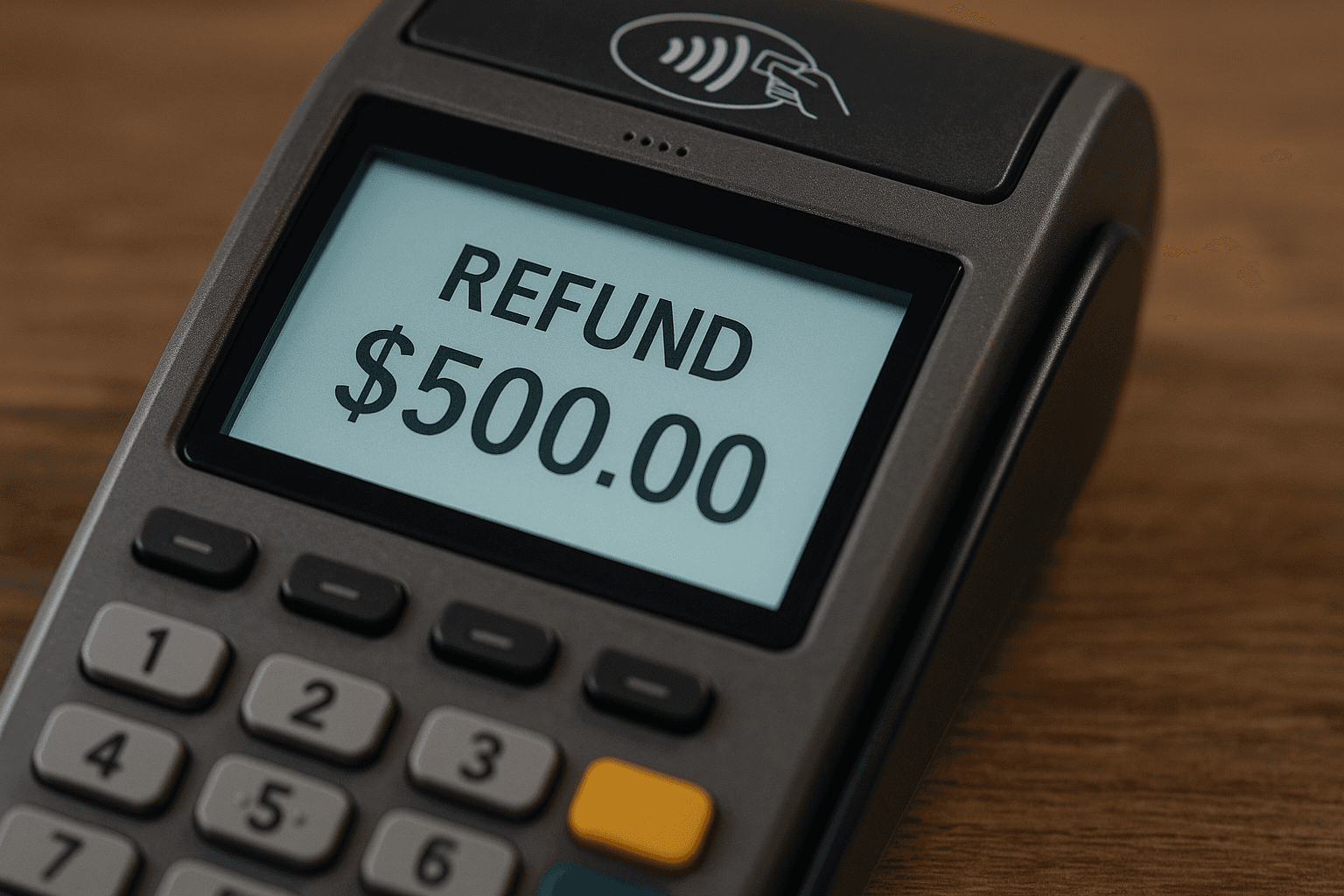
Can I get my deposit back?
Buying a property can be an exciting time. After what seemed like a never-ending search, you finally found the home of your dreams. You eagerly entered into an Agreement for Sale and paid your deposit to secure that property.
Then oops! Life happened! Maybe you lost your job or came across a better property and now you want out. Can you get back your deposit? It all depends on the terms of the Agreement for Sale.
You may lose your deposit if there is a Forfeiture Clause
If you signed an Agreement with a Forfeiture clause, you may lose your entire deposit, and truth be told, most Agreements now include this type of clause. Simply put, a forfeiture clause outlines the circumstances under which the buyer will forfeit/lose their deposit. For example, a forfeiture clause may state that the buyer loses their deposit if they fail to meet a particular deadline set out in the Agreement. Below is a common example of this type of clause:
“Time is of the essence of this agreement as it relates to the obligations of the Purchaser hereunder and on the failure of the Purchaser to pay the balance purchase price and/or any other sums payable or to fulfil any of his obligations hereunder within the time stipulated herein the Vendor shall be entitled to cancel this agreement and to forfeit the deposit herein by serving fourteen (14) days’ notice in writing on the Purchaser.”
The reason for cancellation of the purchase matters
In the typical Agreement for Sale, a forfeiture clause usually comes into effect, only if the cancellation is the Purchaser’s fault and no fault of the Seller. If, for example, the Surveyor’s Report reveals a breach, a Purchaser is normally able to cancel and receive a full refund of their deposit, since the reason for cancellation is the fault of the seller. While this is the norm, it is important to note that Agreements vary widely. Therefore, whether you can recover your deposit in full, depends heavily on the specific terms of the Agreement you have signed.
Without a Forfeiture Clause, you may still lose when you cancel
Even without a forfeiture clause, there are some fees other than the deposit, that you will not recover. For instance, the legal fee for the Preparation of the Agreement for Sale, which is paid to the Seller’s Attorney, is non-refundable. Similarly, there may be a fixed fee which becomes due to Seller’s Attorney if the purchaser cancels, due to no fault of Seller and this sum will be deducted from the deposit before the buyer is refunded.
Key Takeaways
When your hard-earned money is on the line, do not sign any Agreement for Sale or make a deposit on any property, before seeking the advice of a competent Attorney who can explain your rights and the risks involved.
When your hard-earned money is on the line, do not sign any Agreement for Sale or make a deposit on any property, before seeking the advice of a competent Attorney who can explain your rights and the risks involved.
Do not enter in Agreements for Sale lightly. Ensure that it is a purchase that you are ready to commit to, and you are not still wavering between other options.
Remember, even if you do not lose your entire deposit, more often than not, you will suffer some degree of financial loss upon cancellation of a purchase. So…be wise!